What Makes Good Music? — Don’t Let Packaging, Numbers, and Trends Pull Your Ears

In an era flooded with playlists, viral charts, and algorithmic recommendations, the question feels more urgent than ever: What actually makes a piece of music good?
Many of us answer this question unconsciously every day. We listen to whatever is trending, whatever friends are sharing, or whatever the platform suggests will “match our vibe.” A track climbs the charts, the streaming numbers look impressive, the visuals are polished, and the tours are meticulously planned. After listening, we might walk away thinking, “That company really invested heavily.” But how often do we pause and ask whether the music itself moved us in a deeper, lasting way — or whether we were mostly captivated by the surrounding spectacle?
What actually makes a piece of music good?
This is not a complaint about the music industry. Packaging, visual presentation, marketing, and strategic touring are essential parts of how music reaches people across cultures. In fact, the refined visual aesthetics developed by certain music scenes have become a recognized form of soft power — a sophisticated language in the competition between cultures and nations. Strong production and compelling presentation help bridge distances and open doors. The real issue lies elsewhere: when numbers, trends, and packaging become the primary filters through which we judge music, something quieter but more essential can be lost.
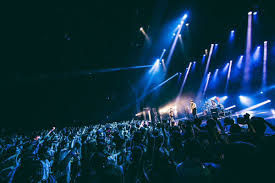
The Mechanics of Modern Listening
Today’s listening habits are shaped by attention economies. Platforms optimize for immediate engagement — short, strong hooks, high-energy drops, visually striking snippets that perform well in short-form videos. Algorithms learn from our past behavior and feed us more of what keeps us scrolling and clicking. The result is comfortable, often enjoyable, but increasingly homogenized.
Many highly visible releases achieve massive streaming numbers and sold-out shows through careful planning and substantial investment. Yet after the initial excitement fades, some listeners report a strange emptiness — the feeling that the experience was more about the event, the visuals, or the cultural moment than about a lasting emotional or intellectual connection. The music becomes a backdrop for the spectacle rather than the core reason we return to it months or years later.
This pattern reflects deeper human tendencies. We are social creatures who naturally gravitate toward consensus and shared experiences. When something is widely discussed, it feels safer and more rewarding to join in. At the same time, we crave meaning. Many songwriters create from intensely personal places — working through their own inner chaos, addressing a specific person, or exploring emotions they struggle to express otherwise. When consumption becomes trend-driven, these intimate layers risk being overshadowed by surface-level appeal.
The Lost Romance of Pure Discovery
Think back to earlier times. Many of us remember walking into a CD store as teenagers or young adults with no algorithm, no trending lists, and no pre-formed opinions, simply searching for good music. We would browse covers, read a few liner notes, maybe listen to a track or two on the store’s headphones, and make choices based purely on instinct and curiosity. We took two or three albums home, sat with headphones on, and experienced entire records from beginning to end.
That ritual carried a special kind of romance. The discovery felt personal. The connection was forged directly between the music and our ears, unmediated by external validation. Sometimes a seemingly unassuming album would reveal unexpected emotional depth after repeated listens. The joy came from the act of listening itself — not from knowing how many others were listening at the same moment.
In today’s digital environment, that particular form of serendipity and focused attention has become rarer. We have gained convenience and abundance, but we may have lost some of the patience and openness that allowed music to reveal its deeper layers. The question arises naturally: Has packaging become everything? Or has it, in some cases, begun to obscure our ability to truly hear?
Why Some Musical Experiences Demand Vivid Language
Music is, at its core, an abstract art form — pure organized sound moving through time. Certain powerful sensations it creates — the shattering duality of fragility and raw power, the cathartic release after tension, the architectural grandeur of layered emotion — are difficult to capture in plain, clinical descriptions. These moments often require vivid, almost visual language and metaphorical imagery to convey the full intensity of the experience. Such language does not exaggerate; it serves as a bridge, helping us articulate what pure sound alone stirs within us. When we limit ourselves only to cold metrics or surface observations, we risk diminishing the very things that make music profoundly human.

Rediscovering the Deeper Pleasure
The encouraging truth is that the capacity to hear beyond packaging and numbers is not elitist — it is a learnable strength. People who develop this ability are not rejecting enjoyment or production quality. They simply refuse to let external metrics completely dictate their inner experience. They learn to separate the craft of the music from the machinery around it.
This skill brings real rewards. Works that may not command the largest budgets or the loudest marketing campaigns can still deliver profound, lasting impact precisely because their power resides in the sound itself — in melody, texture, emotional honesty, and structural intelligence. When we give such music undivided attention, we often discover layers that continue to unfold over time. The feeling is different from immediate excitement: it is quieter, more intimate, and ultimately more sustaining.
Digging into the music itself becomes its own pleasure. It transforms listening from passive consumption into active exploration. Instead of asking “Is this popular?”, we begin asking “Does this resonate with something real inside me?” That shift reclaims agency. It turns music back into a mirror for our inner lives rather than just another piece of trending content.
Toward a Healthier Cultural Landscape
None of this means packaging or commercial success is inherently bad. Strong visuals, professional production, and effective promotion have helped many artists cross cultural boundaries and build sustainable careers. The healthiest cultural ecosystems are those where both surface appeal and deeper substance can coexist and reinforce each other.
The real opportunity lies in balance. When more listeners actively choose to explore beyond the most visible recommendations, the incentives within the industry gradually shift. Cultures that can export not only polished spectacles but also music with genuine emotional and artistic depth gain a more enduring form of influence. The competition between nations and cultural spheres becomes richer — less about who can create the biggest momentary splash, and more about who can create work that continues to speak to people long after the initial buzz has faded.
Invitation to you
Next time you open a playlist, try an experiment. Turn off the algorithmic recommendations for a while. Pick something based on nothing more than a quiet curiosity.
Listen without checking comments, view counts, or trending status.
Ask yourself honestly: What is this music actually doing to me? Is it stopping me — not because everyone else is listening, but because it touches something that matters?

Our opinion: What makes good music, is not decided by charts or campaigns. It is decided in the private space between the sound and the listener who is willing to give it their full attention. In a world designed to pull our ears in a thousand directions, choosing to listen more deliberately may be one of the quietest and most powerful acts of reclaiming our own experience.
The romance of discovery is not gone.
It is simply waiting for us to slow down and open our ears again.


留言